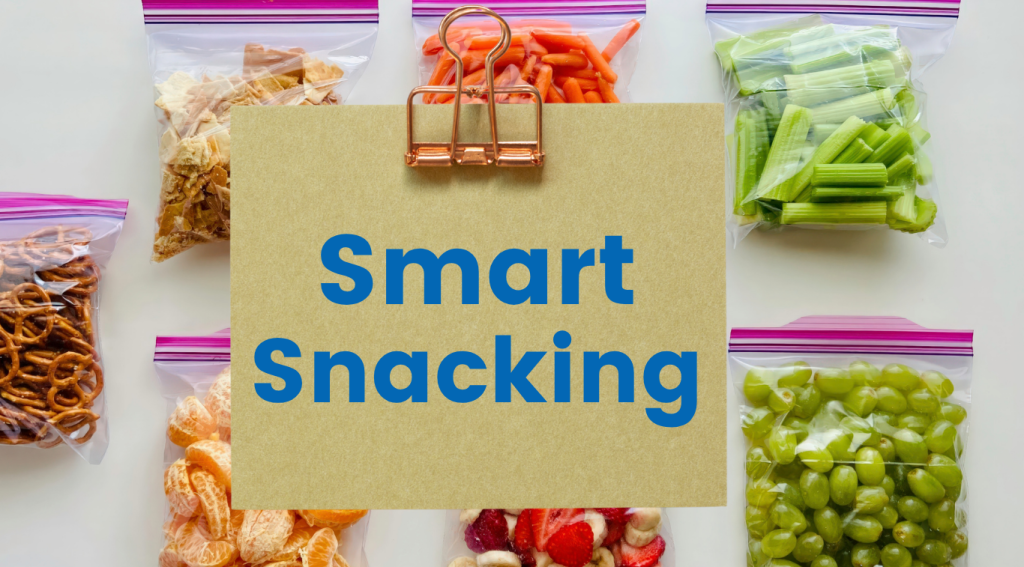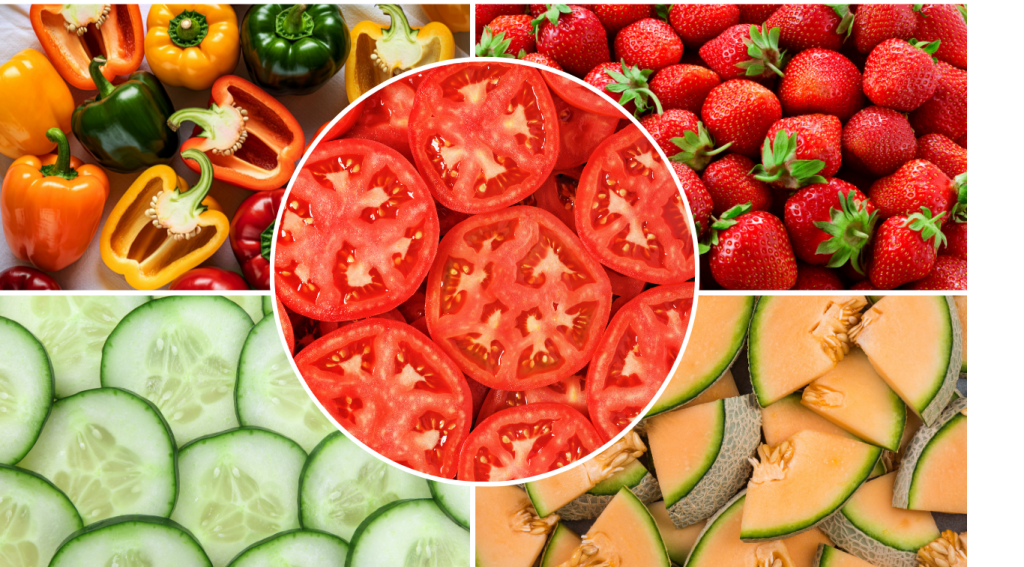
I know, a blog about healthy salad dressings from a dietitian? Didn’t see that coming right? The topic of homemade salad dressings was actually requested by an employee, and I realized it was the perfect opportunity to talk about why salads deserve a spot at your holiday table!
It’s no secret that food is one of the best parts of the holidays, from Secret Santa potlucks to family feasts and cozy gatherings with friends, but between sweets and rich-dishes, having something fresh and nutrient-packed can help round out the spread.
A well-made salad adds color, crunch, and fiber to your plate, and fiber does more than help with digestion. Research shows that fiber-rich foods like vegetables, beans and whole-grains can help manage blood sugar and support heart health. Pair that with healthy fats (more on that below), and you’ll also boost your body’s ability to absorb important nutrients.
The Dressing: The Flavor MVP
Let’s be honest, the dressing makes or breaks a salad. I’ll be the first to say a plain, undressed salad is not too appetizing (unless that’s your thing, which is totally fine!). But for most of us, dressing is the flavor MVP and an important nutrient boost. 
Here’s why: fat-soluble vitamins found in your salad like vitamins A, D, E and K require fat to be absorbed. A drizzle (about 2 tablespoons) of your favorite oil (like olive or avocado oil) doesn’t just taste great; it helps your body get the most out of those veggies1.
Healthy fats such as those unsaturated from foods like olive or sunflower oil, avocado, nuts and seeds can also help lower “bad” cholesterol levels and raise “good” cholesterol levels, a combo that is cardioprotective (reduce risk of heart disease).
For Those Managing Diabetes or High Blood Pressure
All your favorite holiday meals should absolutely be enjoyed; they’re part of what makes this season so special. If you’re managing diabetes or high blood pressure, there are simple things you can add to your plate to help balance out those festive favorites.
Adding a salad to your plate is a satisfying way to do just that.
- Fiber from the leafy greens and veggie toppings helps slow the absorption of sugar into the bloodstream2
- Vegetables also contain potassium which improves high blood pressure3
- A lower sodium salad dressing made with healthy fats can also support heart health
Whether you are hosting or bringing a dish to share, a hearty fall salad can be both nourishing and delicious!
Benefits of Homemade Salad Dressings
It might sound fancy, but homemade salad dressings are quick to make, and it gives you the power of choice over what goes into them. You can skip the excess sodium and added sugars often found in store-bought bottles.
Plus making your own allows you to customize the taste exactly how you like: tangy, creamy, herby or sweet, using ingredients you likely already have in your pantry.
The Bones of a Great Salad Dressing
Keeping it simple with a good proportion of healthy fat to acid with spices is the key to good homemade salad dressings!
Components: Fat, acid, flavor, sweeteners and seasonings

Fat Base – Helps absorb nutrients and adds richness
- olive, sesame, safflower or avocado oil
- avocado
- nut butter
- cashews
- tahini
- Greek yogurt
Acid – Brightens flavor
- vinegar (balsamic, red wine, apple cider, rice vinegar)
- citrus (fresh lemon, lime or orange juice)
- Worcestershire sauce

Flavor boost
- mustard
- minced garlic
- herbs/spices
- citrus zest
- soy sauce/coconut aminos
Sweetener – Rounds out tartness
- honey, maple syrup, orange juice, fruit jam
Seasoning- Finishes and enhances
- salt, ground black pepper, chili flakes, cumin, onion powder, garlic powder
General ratios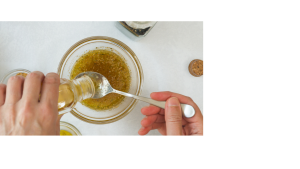
- 2-3 parts oil to 1 part acid
- Start with a teaspoon of mustard or preferred flavor choice; and add a spoonful of your sweet ingredient choice
- Lastly, add seasonings to taste
Add everything to a jar and shake or add ingredients to a bowl and whisk until everything is combined.

If your salad dressing is made with olive oil, don’t be surprised if it turns cloudy or even firms up a bit in the fridge, that’s normal! Olive oil naturally thickens when it’s cold. Just let your dressing sit at room temperature for 10 to 15 minutes before using and give it a quick shake or whisk to bring it back to its smooth consistency.
DIY Salad Dressing Recipes
Disclaimer: the following recipes linked below are from external bloggers and websites. I do not claim ownership of these recipes, nor do I receive any compensation or endorsements from the creators. I simply wanted to share a few tasty, healthy options that fit the theme of this post.
Greek Salad Dressing Recipe – From Eating Well
Makes: 5 tablespoons
Serving size: 1-2 tablespoons
- 3 tablespoons extra-virgin olive oil
- 1 tablespoon lemon juice
- 1 tablespoon red-wine vinegar
- 1 teaspoon dried oregano
- ¼ teaspoon salt
- ¼ teaspoon ground pepper
Directions: Whisk oil, lemon juice, vinegar, oregano, salt and pepper in a small bowl or shake in a small jar. Use immediately or refrigerate for up to 1 week.
Homemade Caesar Dressing Recipe – Real Food Dietitians
Makes: ¾ cup
Serving size: 2 tablespoons
- ½ cup mayonnaise (look for one made with avocado or olive oil)
- ¼ cup grated Parmesan cheese
- Zest and juice of 1 large lemon (1 teaspoon zest and 3 tablespoons juice)
- 3 garlic cloves, minced (1 tablespoon)
- 1 tablespoon Dijon mustard
- 1 teaspoon ground or cracked black pepper
Directions:
1. In a bowl, whisk together the mayonnaise, grated Parmesan, lemon zest, lemon juice, garlic, Dijon, and black pepper. If desired (but not necessary), add Worcestershire sauce, anchovy paste, or fish sauce. See notes for amounts. Whisk until well blended.
2. Serve over salad or in a airtight container in the fridge for up to 5 days.
Apple Cider Vinaigrette Recipe: From Love and Lemons
Serves 6-8
- ¼ cup avocado or olive oil
- ¼ cup apple cider vinegar
- 1 teaspoon maple syrup or honey
- 1 garlic clove, minced
- ¼ teaspoon Dijon mustard
- Fine salt and freshly ground pepper to taste
Directions:
1. In a small bowl, whisk together the apple cider vinegar, maple syrup, garlic, mustard, salt, and several grinds of pepper.
2. Drizzle in the olive oil while whisking and continue to whisk until the dressing is emulsified. Alternatively, combine everything in a jar with a tight-fitting lid and shake to combine.
Sesame Ginger Dressing Recipe – Real Food Dietitians
Makes 3/4 cups
Serving size: 2 tablespoons
- Juice of 2 medium limes (¼ cup)
- 3 tablespoons coconut aminos, soy sauce, or tamari
- 3 tablespoon pure honey
- 2 tablespoons toasted sesame oil
- 2 teaspoons grated fresh ginger (very finely minced or grated on a micro plane)
Directions:
1. To a 2-cup glass measure or a small jar with a lid, add the lime juice, coconut aminos, honey, sesame oil, and ginger.
2. Whisk or shake together until well mixed.
3. Serve right away over salad or cover and refrigerate until ready to serve.
4. Store dressing in a covered container in the fridge for up to 1 week.
Some of my favorite fall-inspired salad and salad dressing recipes:
- Harvest Salad with Quinoa and Butternut Squash
- Sweet and Smoky Shredded Brussel Sprouts Slaw (Simple and Dairy Free)
- Mediterranean-Inspired Chopped Kale Salad w/ Lemon Vinaigrette
- Fresh Roasted Corn & Potato Succotash Salad (Vegan)
Store-Bought Dressings
Sometimes homemade isn’t always realistic, and that’s okay. Store-bought salad dressings can still fit into a balanced eating pattern when you know what to look for. Many brands now offer healthier options with low sodium and healthy oils.
Keep these tips in mind next time you’re shopping for a salad dressing:
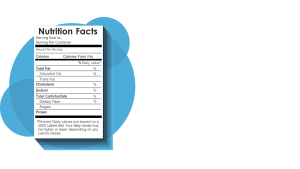
- Sodium: Per serving, aim for 200 milligrams or below
- Fat: Per serving, aim for 2 grams or less of saturated fat
- Oil: choosing dressings made with healthy oils can help support heart health: extra-virgin olive oil, avocado, sunflower or other unsaturated fat -rich oil
- Added sugar: Per serving, aim for no more than 4 grams
- Try to avoid dressings made with high fructose corn syrup or other added sugars. Eating patterns high in added sugars from any sources can contribute to negative health outcomes such as high triglyceride levels, insulin resistance, higher risk of fatty liver and cardiovascular disease4.
The Takeaway
Small additions like a fiber-rich salad with homemade salad dressings can help make the holiday spread more balanced, without taking away from the joy of celebrating.
Eating healthy doesn’t have to mean restrictive or boring, sometimes it’s as easy as adding more color, crunch and flavor to your plate.

Medical Advice Disclaimer: The information provided on this blog is for informational and educational purposes only. No material provided in this blog, including images and graphics, is intended as a substitute for professional medical advice, diagnosis, or treatment. Always seek the advice of your physician or other qualified health care provider before making any dietary changes or starting a new health care regimen. Do not neglect professional advice because of what you may have read in this blog.
References:
1. Carotenoid bioavailability is higher from salads ingested with full-fat than with fat-reduced salad dressings as measured with electrochemical detection Brown, Melody J et al. The American Journal of Clinical Nutrition, Volume 80, Issue 2, 396 – 403
2. Utari, D. M., Kartiko-Sari, I., Miyazaki, T., Umezawa, H., Takeda, Y., Oe, M., Wang, W., Kamoshita, S., Shibasaki, M., Matsuoka, R., & Yamamoto, S. (2024). Vegetable Salad Improves Lipid and Glucose Metabolism and Enhances Absorption of Specific Nutrients in Vegetables. Foods (Basel, Switzerland), 13(22), 3591.
3. McLean, R. M., & Wang, N. X. (2021). Potassium. Advances in food and nutrition research, 96, 89–121.
4. Academy of Nutrition and Dietetics Evidence Analysis Library. “What is the evidence from human subject research that consumption of high fructose corn syrup is associated with obesity, metabolic and/or adverse effects in adults?” Accessed 10 November 2025.