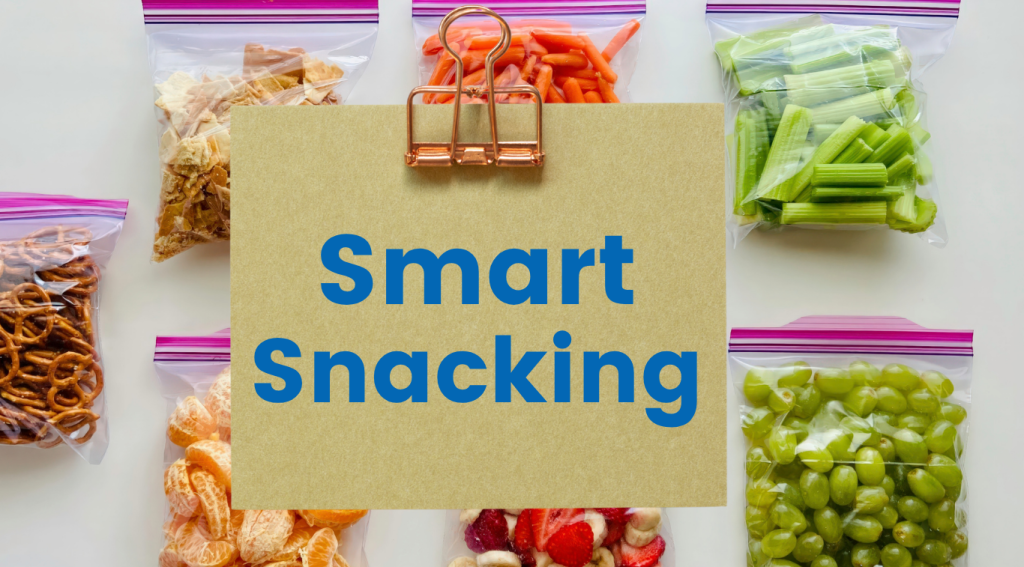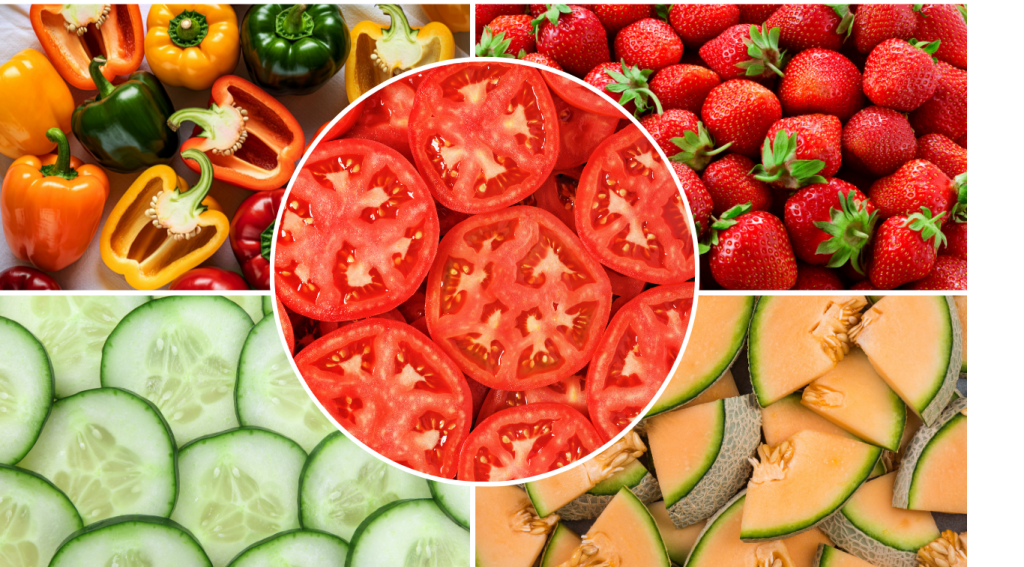
Most people think a heart-healthy diet is all about what you can’t have. And while limiting some aspects is helpful, it’s also about what you can add to your plate to keep your body running smoothly. Read on to learn about the DASH eating pattern, a flexible and balanced eating plan that has shown to have a multitude of health benefits including helping with high blood pressure.
Go to the bottom of the article to access this article in ASL
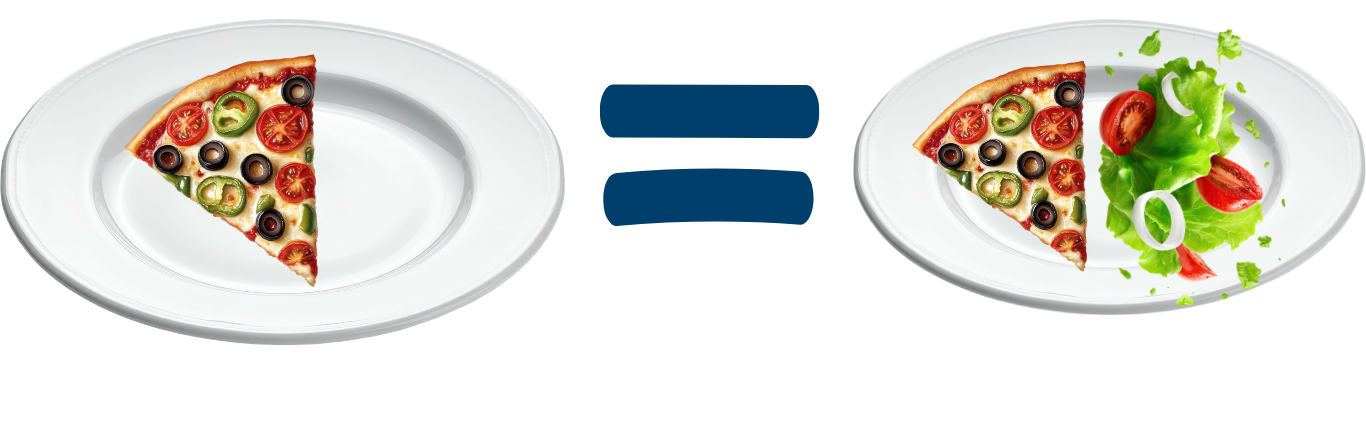
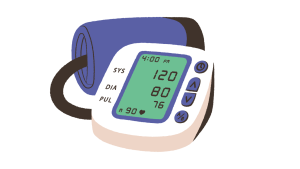
If you’ve been told your blood pressure is high, you aren’t alone. Approximately 19.9 million people – about half of all U.S adults – deal with high blood pressure3. High blood pressure defined as a systolic blood pressure greater than 130 mmHg or a diastolic blood pressure greater than 80 mmHg or taking medication for high blood pressure”3. Unmanaged high blood pressure significantly increases the risk of severe, long term health issues such as stroke, heart attack, kidney disease and visual loss.
Knowing Your Risks
Why are these numbers so high? Like other chronic health conditions such as type 2 diabetes, heart disease and chronic kidney disease, it usually comes down to a mix of things we can change and things we can’t.
Modifiable risk factors that can increase risk of high blood pressure:3
- Unhealthy eating pattern (more on that below)
- Physical inactivity
- Too much alcohol
- Tobacco use
Unmodifiable risk factors that can increase risk of high blood pressure:3
- Genetics and family history
- Sex – Women are as likely as men to develop HBP at some point during their lives
- Age – blood pressure tends to rise as you get older
- Race or ethnicity – Non-Hispanic Black adults develop high blood pressure more often than non-Hispanic White-, Hispanic, Asian and Pacific Islander, American Indian or Alaska Native adults do. Compared to non-Hispanic White adults, non-Hispanic Black adults develop high blood pressure earlier in life.
Let’s take a closer look at the modifiable risk factor, diet. An eating pattern high in sodium and low in potassium can put a person at risk for high blood pressure4. Salt is the major source of sodium found in American diets coming from ultra-processed foods or salt added to food during preparation or at the table.
Sodium
The Dietary Guidelines for Americans recommend consuming less than 2,300 mg of sodium daily for teens and adults as part of a healthy eating pattern. On average, Americans consume twice the recommended amount at more than 3,400 milligrams (mg) of sodium on a daily basis4!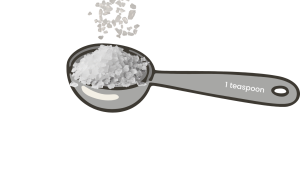
Did you know 1 teaspoon of salt contains 2,300 mg of sodium?
Think you’re safe because you skip the drive-thru and stick to “healthy” processed foods? Think again – sodium is sneaky! Even convenient options marketed as healthy are often loaded with hidden salt such as:
- Canned soups
- Cottage cheese
- Salad dressings (tips on buying salad dressing + how to make a healthy version at home)
- Veggie burgers
- Jarred pasta sauces (Easy, homemade veg-marinera sauce recipe)
- Bagels and other breads
To fix this, get into the habit of scanning the nutrition facts label for lower-sodium alternatives. It might seem time-consuming at first, but it quickly becomes second nature, and your long-term health is worth it.
The goal is not to omit sodium completely from our diet, as sodium is a very important mineral for the body that performs many functions in the body such as maintaining fluid and electrolyte balance, and ensure proper nerve and muscle function. Generally, individuals with high blood pressure should aim to consume between 1,500 milligrams (mg) and 2,300 mg per day2.
The 5/20 Rule: A Quick Shortcut
It’s a simple benchmark to determine if a food is “Low” or “High” in a specific nutrient. You can apply this to any nutrient on the nutrition facts label – fat, fiber potassium etc. Below is an example looking at sodium on leading brands of marinera sauce.
- 5% Daily Value (DV) or less per serving: this is considered low in sodium – aim for these!
- 20% Daily Value (DV) or more per serving: This is considered high in sodium. If a single food hits this mark, it’s using up a massive chunk of your daily allowance in one go.
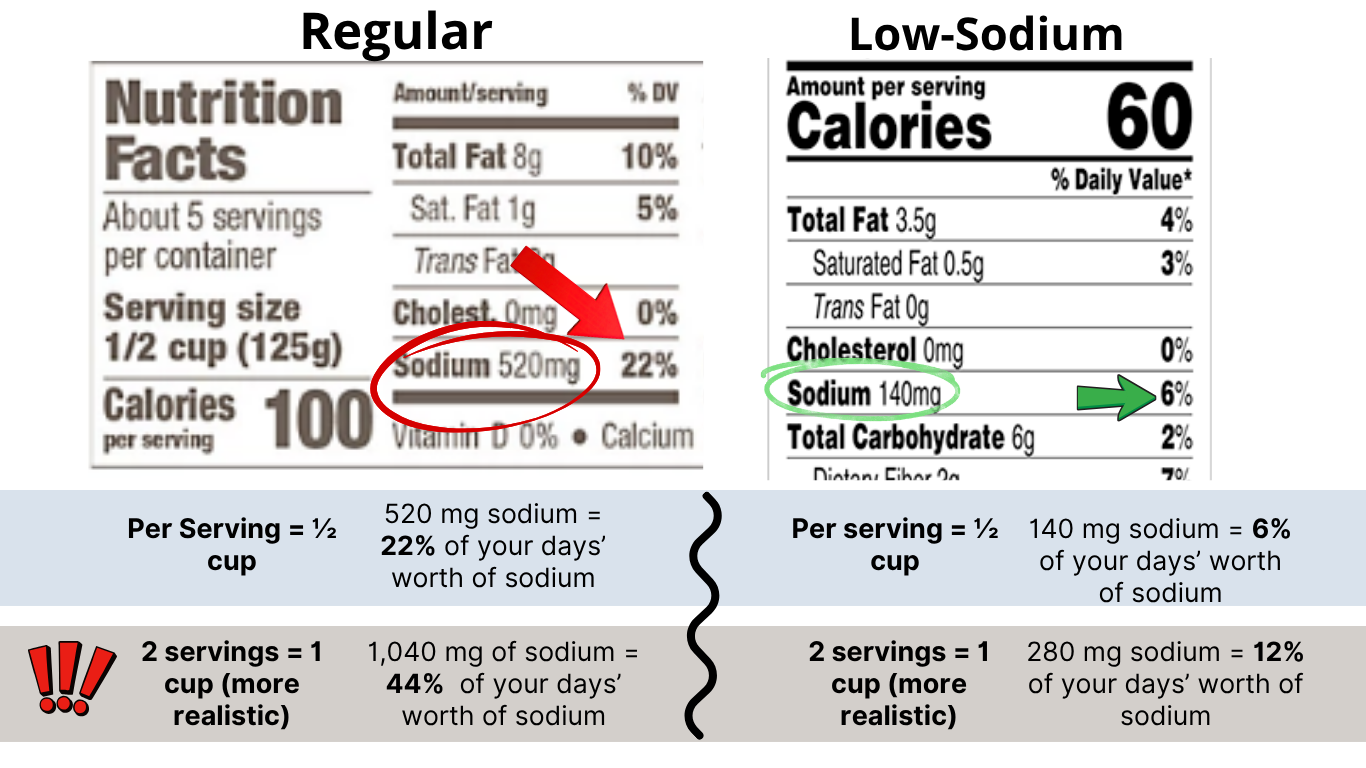
At first glance, a “20% sodium” food does not seem too bad but if you eating a “20% sodium” food for breakfast, a “20% sodium” snack, and a “20% sodium” lunch, you’ve already used 60% of your limit before dinner – and that’s assuming you only ate one serving of each and did not additionally salt your food.
The goal here isn’t guilt – its agency. Awareness is the essential first step to making informed food choices. As an action step, take a look at a few of your favorite packaged foods. You might find a ‘hidden’ sodium bomb you never knew was there, or you might realize your go-to snack fits in with your nutrition goals. Either way, you’ve moved from guessing to making a deliberate, informed decision for your health.

Potassium
Potassium is a mineral that plays many important physiological functions in the body. High potassium intake has been shown to help blood vessels relax and excrete sodium while decreasing blood pressure5,6. Potassium-rich foods include fruits, vegetables, some dairy like kefir, milk (fat free) and Yogurt (Greek or plain), and protein sources such as bison, catfish, rainbow trout, skipjack tuna or tempeh.
It is crucial to consult with your primary care physician before adopting a new eating pattern and/or increasing potassium intake, whether through food or supplements, especially if you have kidney disease or take blood pressure medication that affect potassium.
In addition to reducing sodium, prioritizing an eating pattern rich in potassium, magnesium and calcium has shown to be a worthy strategy for managing blood pressure from the diet lens. This nutrient-rich approach is best known as the DASH eating pattern, a practical road map designed to turn these nutritional goals into a sustainable daily lifestyle.
What does D.A.S.H stand for?
D.A.S.H stands for Dietary Approaches to Stopping Hypertension.
This well researched heart-healthy eating pattern is rich in calcium, magnesium, potassium, and fiber as it emphasizes consumption of fruits, vegetables, low-fat dairy products and reduced saturated fat.
DASH along with the Mediterranean eating pattern have been widely acknowledged for their benefits of reducing blood pressure and improving cardiovascular health1. Over the last three decades, the National Heart, Lung and Blood Institute (NHLBI) have performed over 4 large studies testing the health benefits of the DASH eating pattern by comparing it to the typical American diet. Overall results showed:
- Blood pressure lowered
- Improved lipid panel
- Weight management
- Reduces the risk of type 2 diabetes and heart disease
The DASH eating pattern requires no special foods and instead provides daily and weekly nutritional goals by food groups2:
Eat plenty of:
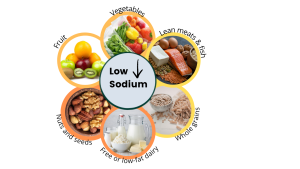
- Whole fruits
- Vegetables
Eat moderate portions of:
- Fat-free or low-fat dairy products
- Whole grains
- Lean meats, poultry, beans, soy foods, legumes, eggs and egg substitutes
- Fish
- Nuts and seeds
- Heart healthy fats, olive and canola oil or avocados
While limiting:
- Foods high in saturated fat, such as fatty meats, full-fat dairy products, and tropical oils such as coconut, palm kernel and palm oils
- Sugar-sweetened beverages and sweets
- Alcohol Intake
While tracking calories can be an effective tool to manage weight loss for some people, you don’t need to be glued to a calorie counter to succeed on the DASH eating pattern. The NHLBI states the real magic of DASH is paying attention to food groups. By aiming for a specific number of servings of fruit, vegetables, and low-fat dairy you are automatically tracking key nutrients like fiber, potassium, calcium and magnesium.
For those who track their caloric intake, the NHLBI provides DASH guides based on calorie levels:
DASH Your Way: Simple Steps to Start Adding Today
Don’t worry about changing your whole menu today. Tackling one area at a time can be a less overwhelming and sustainable approach to forming long-term healthy eating habits. Here are a few areas you could choose from first:
- Plus-One strategy: Pick one meal—like lunch or dinner—and ask: “Can I add one extra color to this plate?” Whether it’s a handful of spinach wilted into your pasta or a side of yellow squash, you’re adding vital potassium with zero stress.
- The Half-Plate Habit: Instead of changing what you eat, change the proportions. If you eat one or two servings of vegetables a day, add a serving at lunch and another at dinner.
- Low-Sodium Alternatives: Next time you’re at the store, pick just one staple—like broth, canned beans, or salad dressing—and see if there is a “Low Sodium” version you enjoy.
- Vary Your Proteins: Wanting to cut back on fatty, red meat? Serve fish instead of meat once or twice each week or try a “meatless” Monday to help increase plant-based proteins intake.
Which of these feels like the easiest “win” for you this week? Share in the comments below!

Medical Advice Disclaimer: The information provided on this blog is for informational and educational purposes only. No material provided in this blog, including images and graphics, is intended as a substitute for professional medical advice, diagnosis, or treatment. Always seek the advice of your physician or other qualified health care provider before making any dietary changes or starting a new health care regimen. Do not neglect professional advice because of what you may have read in this blog.
Want a nutrition topic covered in a future blog? Email nutritioncorner@jaynolan.org!
Access this article in ASL:
References
1. Charchar, Fadi J.a,b,c; Prestes, Priscilla R.a; Mills, Charlotted; Ching, Siew Mooie,f; Neupane, Dineshg; Marthese feelsscine Z.h,i; Sharman, James E.j; Vogt, Liffertk; Burrell, Louise M.l; Korostovtseva, Lyudmilam; Zec, Manjan,o; Patil, Mansip,q; Schultz, Martin G.k; Wallen, Matthew P.r; Renna, Nicolás F.s; Islam, Sheikh Mohammed Sharifult; Hiremath, Swapnilu; Gyeltshen, Tshewangv; Chia, Yook-Chinw,x; Gupta, Abhinavy; Schutte, Aletta E.z,aa,bb; Klein, Britta; Borghi, Claudiocc; Browning, Colette J.a; Czesnikiewicz-Guzik, Martadd,ee; Lee, Hae-Youngff; Itoh, Hiroshigg; Miura, Katsuyukihh; Brunström, Mattiasii; Campbell, Norm R.C.jj; Akinnibossun, Olutope Arinolaa; Veerabhadrappa, Praveenkk; Wainford, Richard D.ll,mm; Kruger, Ruannn,oo; Thomas, Shane A.a; Komori, Takahiropp; Ralapanawa, Udayaqq; Cornelissen, Véronique A.rr; Kapil, Vikasss,tt; Li, Yanuu; Zhang, Yuqingvv; Jafar, Tazeen H.ww,xx; Khan, Nadiayy; Williams, Bryanzz; Stergiou, Georgeaaa; Tomaszewski, Maciejbbb,ccc. Lifestyle management of hypertension: International Society of Hypertension position paper endorsed by the World Hypertension League and European Society of Hypertension. Journal of Hypertension 42(1):p 23-49, January 2024. | DOI: 10.1097/HJH.0000000000003563
2. DASH – DASH Eating Plan | NHLBI, NIH. 25 Feb. 2026, https://www.nhlbi.nih.gov/health/dash-eating-plan.
3. CDC. “High Blood Pressure Facts.” High Blood Pressure, 10 July 2025, https://www.cdc.gov/high-blood-pressure/data-research/facts-stats/index.html.
4. CDC. “Effects of Sodium and Potassium.” Salt, 22 Jan. 2026, https://www.cdc.gov/salt/sodium-potassium-health/index.html.
5. Increasing Potassium Intake to Reduce Blood Pressure and Risk of Cardiovascular Diseases in Adults. https://www.who.int/tools/elena/interventions/potassium-cvd-adults.
6. Potassium • The Nutrition Source. 3 June 2019, https://nutritionsource.hsph.harvard.edu/potassium/.