Key Takeaways
- Supported Living is a service model that helps adults with autism and other developmental or intellectual disabilities live in a home they own or rent, with staff providing as much or as little support as the person needs.
- Unlike a group home, the supported individual is listed on the lease and gives them a say in where they live, who they live with, and who supports them.
- Support is fully customized to individual needs, ranging from a few hours a week with daily tasks like meal planning, household chores, and medical appointments, up to 24/7 staffing, if needed.
- In California, Supported Living Services are funded through the regional center system, and the request usually starts at the Individual Program Plan (IPP) meeting.
- The individual pays rent, food, and utilities from Supplemental Security Income, wages, or other income, while the regional center pays the provider agency for support hours.
- Families stay closely involved through a circle of support, which keeps parents, siblings, and friends at the table without taking over the adult’s decisions.
For many parents of an adult with a disability, the hardest question is about the future. What happens after the family home is sold, or after Mom and Dad are gone?
Supported Living answers a large part of that question. Research from Drexel University’s A.J. Drexel Autism Institute found that only about one in five young adults on the autism spectrum had ever lived away from their parents without supervision by their early 20s. Supported Living exists to change that number and support independence.
What Is Supported Living?
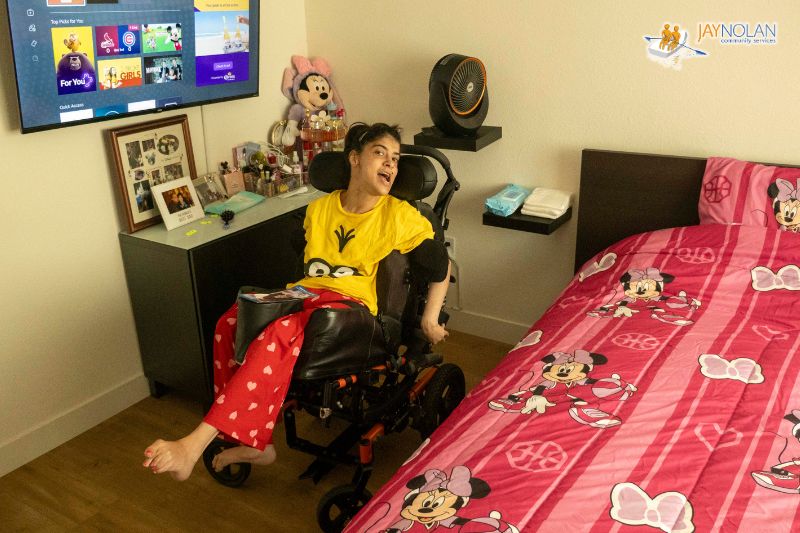
Supported Living Services (SLS) are a broad range of supports for adults with developmental disabilities who choose to live in a home they own or lease. The person holds the lease or deed, and the agency brings the support to them.
- Support is built around the individual instead of the building, and it can include:
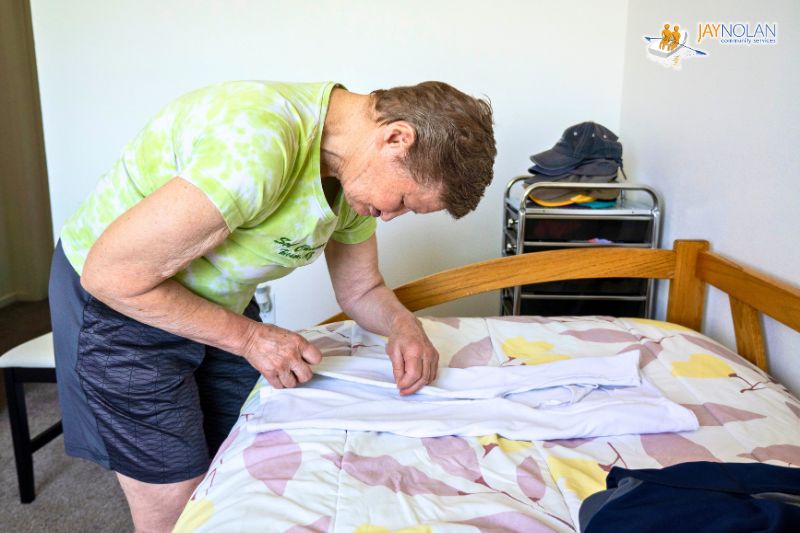
- Cooking, cleaning, laundry, and grocery shopping
- Assistance with generic resources and benefits paperwork
- Transportation and support at medical appointments
- Help hiring, training, and managing direct support staff
- Overnight coverage and 24-hour emergency response
Under California’s Lanterman Act, these supports are meant to be available as often and for as long as a person needs them, and no one should be denied Supported Living Services solely because of the degree or type of their disability.

Supported Living vs. Group Homes
A group home is a licensed facility. Housemates, house rules, meal times, and staffing patterns typically come with it.
Supported living flips that. The adult chooses the apartment, decides whether to have a roommate, keeps their own schedule, and has real authority over which staff work in their home. That distinction is backed by federal policy: The home and community-based services settings rule requires Medicaid-funded services to be delivered in settings where people have privacy, a legally enforceable lease, control of their own money, and freedom to have visitors.
Independent living services (ILS) offers a lighter-touch alternative focused on skill development, typically for individuals needing under 80 hours* of support per month. In contrast, Supported Living Services (SLS) cater to adults requiring more continuous, day-to-day assistance to live safely and independently at home.
*This maximum varies by regional center. For guidance around maximum service hours, please contact your regional center case manager.
Who Pays for Supported Living?
Funding surprises a lot of families, because it splits in two.
Individuals cover standard living expenses—such as rent, groceries, and utilities—using Supplemental Security Income (SSI), wages, Section 8 housing vouchers, or other personal income. While Regional Center funding pays the vendored provider agency for support staff, generic resources—including In-Home Supportive Services (IHSS)—must be fully utilized before regional center funds can be applied.
How to Start the Conversation
If you’re interested in supported living services:
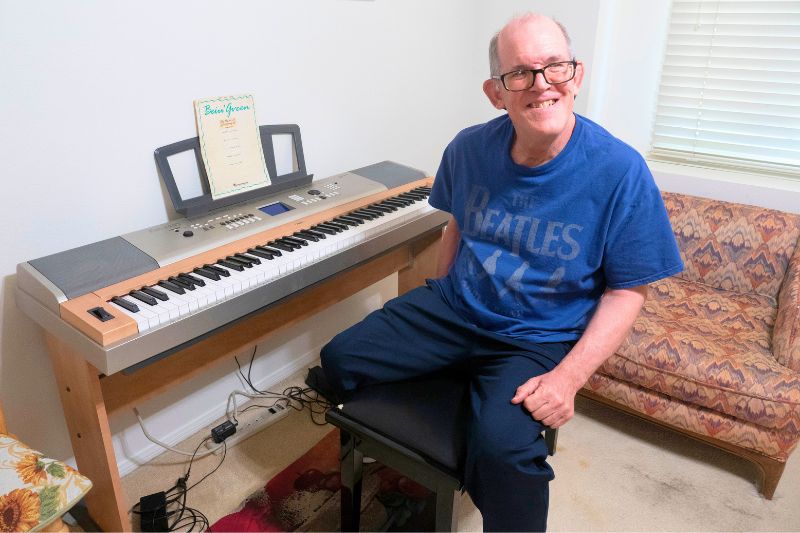
- Bring it up at the Individual Program Plan (IPP) meeting: Supported Living has to be written into the IPP before it can be funded, so tell the Regional Center service coordinator that your family member wants a home of their own.
- Individuals must attend a Supported living orientation offered by their regional center, which is an introductory session that explains how people with developmental or intellectual disabilities can live independently in their own homes. It covers program rules, person-centered planning, and daily support design.
- Ask for a list of vendored SLS agencies: Look for providers in your area and weigh your options.
- Interview SLS agencies: Ask each agency how it handles staff turnover, emergencies, and disagreements. The answers tell you more than a brochure will.
- Start early: Housing searches, benefits applications, including IHSS, and roommate matching take months, not weeks.
Supported living is not all-or-nothing, and it is not permanent in one form. Supports can increase after a hospital stay and taper off as skills grow.
Supported Living Services from Jay Nolan Community Services
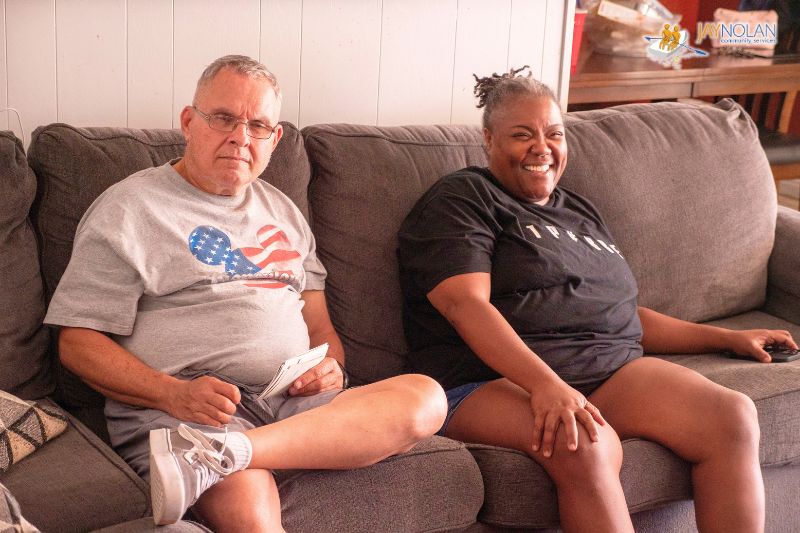
Jay Nolan Community Services (JNCS) offers Supported Living Services built around one goal: helping neurodiverse adults live in a home of their own. Support is tailored to each person’s needs, interests, and wishes, and is offered as long and as often as needed. That might mean 24-hour support, regular daytime visits, or a mix that changes over time.
Every person JNCS supports works with a Circle of Support made up of family, friends, allies, and community members of their choosing. The circle meets every four to six weeks and helps make decisions about staffing, daily supports, and backup plans — with the individual firmly in control. Services are available in Los Angeles, the San Fernando Valley, Santa Clarita, Antelope Valley, and San Jose. Learn more here or contact our team with questions today.
About Jay Nolan Community Services
Founded in 1975 by members of the Autism Society of Los Angeles, Jay Nolan Community Services is a nonprofit that supports people with Autism Spectrum Disorder and other neurodiverse individuals to live as empowered, included, and embraced members of the community. We provide an array of support services across California, offering individualized planning guided by the needs and wishes of the person receiving services and their Circle of Support. Donate today to help empower neurodiverse people in your community.