Are you someone who wants to cook healthy meals but doesn’t have the time or energy to cook or prep as much as you would like? Are you someone who is on a tight budget? Are you someone who is looking to reduce your contribution to food waste? Are you someone who experiences cooking burnout and could benefit from convenient and nutritious options on hand? What if I told you that incorporating frozen foods can be a solution to these questions!
Thanks to wellness and diet culture, frozen foods have gotten a bad rap. To mark March being National Frozen Food Month, my goal is to debunk some myths and highlight the benefits.
This article is available in ASL, scroll down to see video at the bottom of the page.
Debunking Frozen Food Myths
1. All Frozen foods = unhealthy choices — FALSE
When people hear the words “frozen foods” the immediate thought often gravitates to “junk food” like ice cream, convenience dinner and snacks like pizza pockets, etc. While these frozen foods have a time and place to be enjoyed in moderation, given that some are high in sodium and saturated fats, many nutritious frozen foods are often overlooked. This is largely due to fearmongering and the tendency to categorize all frozen foods as the same. In reality, there is a wide variety of options, including:
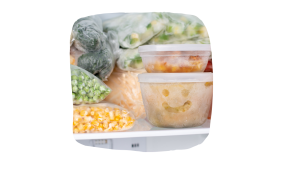
- Frozen fruit (no added sweeteners or sugar)
- Frozen vegetables (no added sodium)
- Frozen protein sources like salmon, chicken, shrimp and ground meat
- Frozen pre-cooked grains like rice or quinoa
The freezer aisle isn’t one food. It’s a category with a wide spectrum of options.
2. Frozen foods are not as nutrient-dense as fresh produce — FALSE
Thanks to flash freezing, this process preserves the “nutritional value, freshness, flavor and color of foods”1. (science is cool).
Furthermore, experimental data has shown that frozen products often contain more nutrients than fresh food2 due to the fact that produce destined for commercial freezing is harvested at the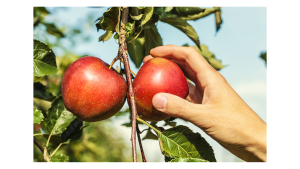 height of ripeness, and nutritional value is immediately processed to preserve the nutrient content. Whereas fresh fruits and vegetables are often harvested early and left to ripen “off the vine” as they are transported long distances and stored before going on the shelves1. Another great reason to shop locally, when possible!
I’d like to be clear that both fresh and frozen fruits and vegetables can (and should) be part of a balanced eating plan.
3. All frozen foods are high in sodium and preservatives — FALSE
Freezing itself does not add sodium or preservatives. Freezing is a natural preservation method eliminating the need for preservatives to maintain quality. Plain frozen vegetables, fruits, seafood, and meats are often preservative free with zero additives.
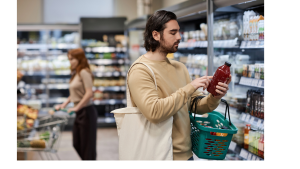
That said, some frozen foods like pizzas, desserts and snack items can be higher in sodium, saturated fat and added sugars, while low in fiber; just like many convenience foods in the refrigerated and shelf-stable aisles. That is about product formulation, not the freezer aisle as a whole. That means whether you are shopping in the freezer or the dry goods aisle, reading nutrition labels and ingredient lists can be helpful to glance over, especially if you have specific health needs.
4. Frozen food tastes “bad” or is “mushy” — Depends
This is more nuanced because everybody has different sensory profiles, thus this can vary person to person, but I will add that advances in modern freezing technology allow preservation not only of nutrients but texture and flavor as well! The “mushy” reputation often stems from improper reheating or freezing vegetables with high water content that shouldn’t be frozen, such as lettuce.
Benefits:
Convenience/Time Saver
One of the biggest barriers to eating more fruits and vegetables isn’t knowledge, it’s time, energy and consistency. By reducing prep and decision fatigue, they often make it more realistic to add to your meals and snacks.
How frozen food can save time: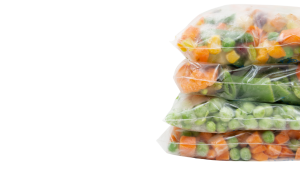
- No washing, peeling or chopping for produce
- Shorter cooking times (many produce items can go straight from freezer to pan)
- Frozen pre-cooked grains like brown rice or quinoa can be heated quickly without the hassle of cooking from scratch
- Many frozen proteins are pre-portioned which saves time on cutting, portioning and repackaging
- Fewer grocery trips because food lasts longer
- Faster weeknight meals and lower decision fatigue
Support Independence and Autonomy
Food choices aren’t just about nutrients, they are about accessibility, convenience, and being able to take care of yourself in a way that fits your real life. Frozen foods can play a powerful role in supporting autonomy for adults across different seasons of life and ability levels.
Diet and wellness culture like to promote that the only way to eat healthily is to cook from scratch, and while there is nothing wrong with that, it is impractical to assume that can be everyone’s reality. Taking into consideration finances, food access, and ability levels, that may not be achievable for everyone. What about the folks that have executive functioning challenges that don’t permit them energy to cook from scratch every day? What about people with limited kitchen space, or those physically unable to use utensils like knives?3 Frozen foods can help lower some of these barriers and promote independence in the kitchen.
- Pre-cut frozen veggies reduce knife work and standing time

- Frozen proteins remove the pressure to cook everything “right now” before it spoils
- Options that work with adaptive kitchen tools or microwaves
- Foods that can be prepared with minimal fine motor skills
- Consistent and convenient food options when energy fluctuates
Reduce Food Waste
- Due to the freezing process, frozen foods resist spoilage and shrinkage and therefore can have a longer shelf life than fresh food.
- Frozen foods let you use exact portions. Need a half bag of peas? Use half. The rest patiently waits in the freezer. This flexibility means less food thrown away.
Budget Friendly
- Frozen fruits, veggies and proteins are often cheaper per serving in larger bags.
- Food thrown away is money you already spent. Frozen foods last longer so you are less likely to lose produce or proteins to spoilage.
- Ensure to maintain appropriate storage temperature (0º F) to help frozen food last. Always make sure to check dates on food packaging and use the product within that window for optimal taste and nutrition.
My Go-To Frozen Food Choices + How I Use It
There are a few frozen foods I try to keep on hand that help me build balanced meals/snacks consistently and save time, especially on busy or low-energy days.
Frozen Vegetables:
Loaded with the works: vitamins, minerals, antioxidants and fiber: frozen mixed vegetables, green beans and other vegetables can make a meal nutrient dense easily. Throw them into stir fries, one-pot meals, or just cooked by themselves as a side.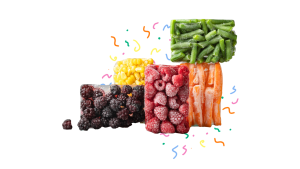
Frozen Fruit:
Frozen fruits add texture, natural sweetness and nutrients (vitamins, minerals, fiber, antioxidants) to meals/snacks in a way that is easy. Protein smoothies are one of my go-to breakfasts, so I ensure to keep some type of frozen fruit on hand like berries or mango. Having the fruit already cut and prepped, I end up having a nutritious breakfast ready to go in under 5 minutes! Frozen fruit also adds body to yogurt or oatmeal and works well in baked items.
Frozen Grain and Starches:
Two words: Game changer! Especially for weeknight dinners, these (usually) pre-cooked frozen grains require only a few minutes in the microwave to serve. Full of B vitamins, fiber and minerals. Think of grain bowls, stir-fries, and soups as quick and balanced meal bases.
Frozen Proteins: 
Having options like frozen salmon fillets or white fish, chicken, shrimp, edamame and veggie burgers on hand provide comparable protein and micronutrients profiles to fresh form while offering greater flexibility in meal timing. Most protein sources can be cooked directly from frozen but keep in mind cook time may be longer to ensure it is cooked thoroughly to safe temperatures. Thawing before cooking allows for better searing and a faster, more even cooking.
To Be Clear…
Utilizing both fresh and frozen produce, proteins, and grains can be part of a healthy eating pattern. What I aim to highlight is that healthy eating doesn’t just come from fresh ingredients. Frozen foods can provide convenience, flexibility, nutrition and even cost savings, helping you build healthy meals that actually work for your life. The key is finding what fits your schedule, your preferences and your access without guilt or shame.
Nutrition isn’t about perfection or following rigid rules, it’s about creating patterns that allow you to eat a variety of foods well and feel empowered in YOUR choices, whether those foods come from the fresh produce section, the freezer aisle, or a mix of both. I am hopeful with more open conversations and awareness about the benefits of frozen food it will gravitate towards a more positive lens!
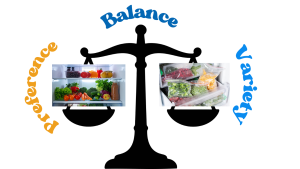
What are some of your favorite frozen foods you like to utilize in your eating pattern? Feel free to leave a comment or question below!
Want a nutrition topic covered in a future blog? Email nutritioncorner@jaynolan.org!
Access this article in ASL:
Medical Advice Disclaimer: The information provided on this blog is for informational and educational purposes only. No material provided in this blog, including images and graphics, is intended as a substitute for professional medical advice, diagnosis, or treatment. Always seek the advice of your physician or other qualified health care provider before making any dietary changes or starting a new health care regimen. Do not neglect professional advice because of what you may have read in this blog.
References:
1. Frozen Foods: Convenient and Nutritious. https://www.eatright.org/food/planning/smart-shopping/frozen-foods-convenient-and-nutritious.
2. Dudley LM, Saluja S, Stevenson RJ, Francis HM, Case TI. As good as fresh nutritionally but not perceived that way: Implicit and explicit biases towards canned and frozen fruits and vegetables. Food Qual Prefer. 2025;129:105517. doi:10.1016/j.foodqual.2025.105517