Every year I look forward to spending more time outdoors in the sunny weather but as temperatures rise it is important to stay hydrated and keep hydrating throughout the day. Because our bodies are roughly 60% water, staying hydrated is crucial for keeping us healthy by regulating temperature, preventing infections, and flushing out waste. While drinking water is essential, incorporating hydrating foods into your daily routine can also help you stay refreshed.
Go to the bottom of the article to access this article in ASL
Common signs of dehydration include1:
- Headache
- Dizziness and/or weakness
- Dry mouth
- Flushed (red) skin
- Fatigue
- Muscle cramps

While daily fluid needs are largely met through beverages like coffee, tea and flavored still- or sparkling water, hydrating food can also play an important role. Water-rich foods, particularly fruits and vegetables, can also contribute approximately 20%2 of daily total water needs. Plus, including more produce in your eating pattern is also a great way to help with fiber, vitamins and mineral intake.
When it comes to hydrating foods, fruits & veggies with more than 90% water content is where you can get the most bang for your buck when it comes to staying refreshed and making sure you are hydrating. Foods with 80% water content are also great choices.
Listed below3 are fruits and vegetables in season – find them at your local farmer’s market or in the produce aisle at the grocery store!
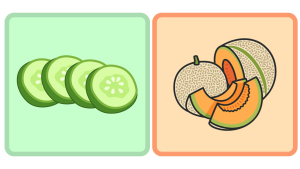
Cucumber – 96% water
- Cucumbers are the queen of hydrating foods! For a convenient snack at work or school, slices them into “rounds”, and pair with some hummus
- Or using a veggie peeler, try cucumber “ribbons” tossed with a little lime juice and mint for a quick flavor boost
Iceberg lettuce & Leafy greens – 91-96% water
- Iceberg is water-rich, darker greens like spinach (91%) or romaine (95%) offer fiber and magnesium
Celery – 95% water
- Pair with protein-rich nut butter and you got yourself a hydrating and balanced snack
Tomatoes – 94% Water
- Two words: Caprese salad – mozzarella, tomatoes, basil and drizzled with olive oil
Strawberries – 91-92% water
- High in vitamin C and fiber. Pairs well with Greek yogurt for a protein packed hydration boost
- Or blend them into a morning smoothie for a hydrating start to your work or school day
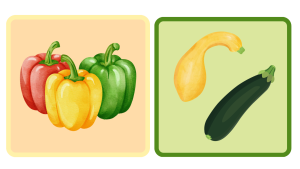
Bell peppers – 92% water
- All shades of bell peppers will quench your thirst but green has the highest of them all.
- Pair with a stick of string cheese or dip bell pepper sticks in guacamole!
Zucchini & Summer squash – 95% water
- Another reason to throw these on the grill at your next BBQ!
Cantaloupe – 90% water
- Fantastic source of potassium and vitamin C
- Simply slice the cantaloupe into large, smile-shaped wedge for a “Zero-prep” snack that you can take on the go
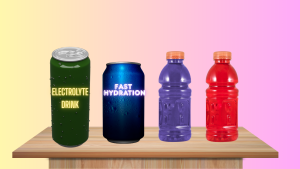
Electrolyte Powders/Beverages – Hero or Marketing Hype?
We’ve all seen them, the small, flavored powder packets and electrolyte drinks promising “faster” way of hydrating. With new brands appearing every day, it’s no surprise this has become a $40 billion market as of 2025. Originally, these products were designed for athletes recovering from extreme physical exertion. However, as the industry has grown, marketing has clearly shifted these drinks into a daily “lifestyle essential” for the average person. We are told we need them for everything from basic focus to afternoon energy. Do these claims have any weight to them?
Short answer: For most people, plain water, hydrating foods, and a balanced diet are enough to keep you properly hydrated. In a healthy person, your kidneys are expert machines at maintaining your mineral balance. There are some scenarios where supplementing electrolytes can be helpful.
Electrolytes are…
minerals that have an electrical charge when dissolved in water4 that support muscle contraction, regulate heart rhythms and maintain fluid balance. Electrolytes include sodium, potassium, magnesium, phosphorus, calcium and chloride. The body tightly regulates these levels in the blood by knowing when to excrete excess amounts or hold onto body water if electrolytes are low4.
Electrolytes can naturally be found in a balanced eating pattern consisting of vegetables, fruits, whole grains, nuts, seed and lean proteins and found naturally in beverages like dairy milk, orange juice, coconut water and bouillon or broths.
Those who might need more electrolytes:
- Recovering from excessive diarrhea, vomiting or sweating
- Strenuous physical activity usually longer than 1-2 hours such as with trained athletes
- In extreme heat for a long time
- Some medical conditions4:
- Surgeries of small or large intestine
- Inflammatory bowel diseases
- POTS
It’s easy to view these extra minerals as a bonus, especially given their convenience and flavor boost but you can definitely have too much of a good thing. As an RDN I caution folks to steer clear of any “hydration multiplier” that exceeds 100% of your Daily Value for sodium and other vitamins and minerals. Overdoing it, especially if your body doesn’t actually need the extra boost, can lead to uncomfortable or even dangerous side effects like high blood pressure, upset stomach, muscle weakness and headaches5. For example, some electrolyte products contain sodium amounts as much as 1,000 mg in one serving! If you have high blood pressure, this can be risky.
The Big Picture
Don’t feel pressured by the marketing, unless you are doing extreme physical training or have a medical need for extra electrolytes, plain water is just as effective as any “hydration multiplier”. Eating a balanced meal or snack shortly after a workout can naturally replete electrolytes ensuring you stay hydrated. Pairing water with hydrating foods can also support your hydration goals. Focus on eating a varied eating pattern to obtain electrolytes (minerals) from natural sources that also contain other vital nutrients such as fiber, vitamins, and antioxidants.
Want a nutrition topic covered in a future blog? Email nutritioncorner@jaynolan.org!
Access this article in ASL:
Medical Advice Disclaimer: The information provided on this blog is for informational and educational purposes only. No material provided in this blog, including images and graphics, is intended as a substitute for professional medical advice, diagnosis, or treatment. Always seek the advice of your physician or other qualified health care provider before making any dietary changes or starting a new health care regimen. Do not neglect professional advice because of what you may have read in this blog.
References:
1. “Dehydration.” Cleveland Clinic, https://my.clevelandclinic.org/health/diseases/9013-dehydration.
2. Guelinckx, I., Tavoularis, G., König, J., Morin, C., Gharbi, H., & Gandy, J. (2016). Contribution of Water from Food and Fluids to Total Water Intake: Analysis of a French and UK Population Surveys. Nutrients, 8(10), 630. https://doi.org/10.3390/nu8100630
3. (RN), Open Resources for Nursing (Open, et al. Table 6.2, [Water Content in Foods]. Text. 2022, https://www.ncbi.nlm.nihb.gov/books/NBK599380/table/ch6basicnursi
ng.T.water_content_in_foods/.
4. Do I Need Electrolyte Drinks? • The Nutrition Source. 20 May 2025, https://nutritionsource.hsph.harvard.edu/electrolyte-drinks/.
5. Thomme, Gina Van. “Electrolytes 101: What to Know.” UT MD Anderson, https://www.mdanderson.org/cancerwise/electrolyte-101-what-to-know.h00-159699912.html.