Plant-Based Eating Benefits for the Planet
Plant-based eating not only provides health benefits for us, but it also can have a big impact on the planet’s health. Greenhouse gas emissions, cropland use, grazing land use, water use and eutrophication are environmental impact categories in which plant-based eating patterns have consistently been shown to reduce environmental burden compared with eating patterns that are higher in animal-based foods, helping conserve natural resources and support a more sustainable food system3.
You don’t have to adopt a fully vegan diet to make a meaningful difference for the environment. Even small shifts toward eating more plant-based foods can have a significant impact. According to EarthDay.org (2020), over the course of a year, if you…
- Ate 1 less burger per week: you would be reducing emissions equivalent to taking your car off the road for 320 miles4.
- Skip meat and cheese one day a week with your family: You would reduce emissions equivalent to taking your car off the road for five weeks4.
- Skip steak once a week with your family: You would reduce emissions equivalent to taking your car off the road for nearly 3 months4.
Taking a flexible approach to plant-based eating can reduce feelings of overwhelm and allow you to make changes that fit your lifestyle. As demonstrated above, even small dietary shifts can have meaningful impact on the environment.
Benefits for your Health
Switching to a plant-based eating style can help lower your risk factors for heart disease such as, improved1:
- Lipid management (LDL, HDL, triglycerides)
- Glucose metabolism
- Blood pressure
- Weight
Recent studies on plant-based diets suggest that they may help lower your chances of developing type 2 diabetes1. They’re also associated with a decreased risk of several types of cancer, like prostate, colon, breast, and digestive system cancers1.
Types of Plant-Based Eating Patterns
Just like any change in eating habits, a gradual and sustainable transition is more likely to support long-term consistency. It’s helpful to know that there are several different approaches to eating plant based. Different types of plant-based eating patterns all have the same base of including *grains, legumes, nuts, vegetables and fruits and their differences lie in the inclusion or exclusion of specific animal derived foods.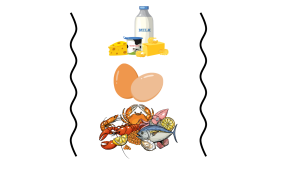
Lacto-vegetarianism: *Base + milk and dairy products
Ovo-vegetarianism: *Base + Eggs
Lacto-ovo-vegetarianism: *Base + eggs + milk and dairy products
Pescatarians: *Base + milk, dairy products + eggs + fish and seafood
Flexitarians: primarily plant-based but occasionally allows consumption of meat, fish or other animal products. This type of eating pattern is just what it sounds like – flexible! This could be a great starting point for those wanting to adopt a more plant forward way of eating while still incorporating animal foods. Eating plant-forward does not have to be an all-or-nothing approach. Plus, research shows that flexitarians can still get the health benefits related to metabolic health, weight management and diabetes prevention2.
Veganism: The focus is on grains, legumes, nuts, vegetables and fruits and completely excludes all animal foods. Excluding animal products from the diet is just one part of it. Typically, those who follow a vegan eating pattern often adopt a vegan lifestyle making it an ethical stance against using animal products. It excludes all forms of animal cruelty and exploitation including food, cosmetics, clothing etc.
Whole Food Veganism: This eating pattern is like veganism except this type of eating pattern additionally excludes processed foods including processed meat substitutes, isolated soy or pea protein powders and artificial additives.

Busting Two Common Myths About Plant-Based Eating:
#1 “It’s impossible to get enough protein on a vegan diet”
First, I would like to applaud folks for paying attention to the necessity of certain food groups and recognizing the important role they play in a healthy eating pattern. Protein is an essential nutrient that our bodies need every day to build and repair muscles, tissues, skin and organs. It’s also needed to make certain enzymes, hormones and antibodies to support digestion, metabolism immunity and overall health. 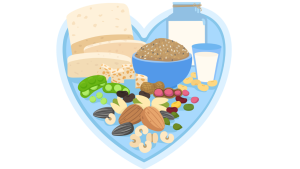
What many people may not realize is that protein is not exclusive to animal-based foods.
Although animal proteins is a common staple in the American eating pattern, there are numerous plant-based sources of protein that can help meet nutrition needs. With some experimentation in the kitchen and an open mind, incorporating plant-based proteins into meals can be a simple and satisfying way to add variety to your eating pattern.
But what about *essential amino acids you ask? While the quantity and quality of proteins vary, if you incorporate a variety of plant-based foods and combining complementary plant proteins, it is more than possible to meet your protein needs from just plant-based sources alone.
Plant-based sources of protein:
- Tofu
- Tempeh
- Edamame
- Lentils
- Chickpeas
- Seitan
- Chia and hemp seeds
- Nuts
- Beans
- Grains that are also high in5: quinoa, amaranth, buckwheat
*essential amino acids: protein building blocks that cannot be made by our bodies and must be supplied through food.
#2 “All Vegan or plant-based food are healthy”
Did you know that classic Oreos are vegan? While a food may be considered vegan or plant-based, that doesn’t automatically mean it is nutritious. Foods such as chips, sugary snacks, and desserts can be plant-based while still being high in added sugars, sodium, or saturated fat and low in essential nutrients.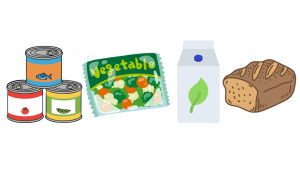
At the same time, it’s important not to label all processed foods as unhealthy. Processing exists on a spectrum, and many nutritious foods undergo processing. For example, canned beans, frozen vegetables, whole grain breads, tofu, and fortified plant-based milks can be convenient, nutrient-rich additions to a balanced eating pattern and those are considered processed and ultra-processed foods according to the NOVA food classification system6.
The key takeaway is that not all plant-based foods are created equal, just as not all animal-based foods are created equal. Rather than relying on marketing claims or labels alone, scanning that Nutrition Facts label and ingredient list can go a long way. This puts the power of choice in your hands and can help you make informed decisions that align with your health goals.
Two Common Barriers to Adopting a Plant-Forward Eating Pattern:
#1 Unfamiliar Ingredients
While there are a few plant-based ingredients I could highlight, tofu is one that I often hear people have questions about, including how to prepare it and what to pair it with. Tofu often has a bad reputation of tasting “bland” or having a “watery, spongy texture”, but I think much of that perception comes from unfamiliarity and preparation methods rather than the food itself.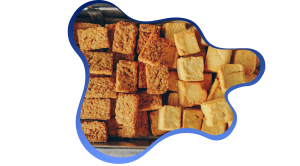
Like any ingredient, tofu can take some experimentation to discover the flavors and textures you enjoy the most. Finding the right seasonings, cooking methods and recipes may take a little practice, but many people find it well worth the effort for both personal and planetary health.
Tofu is a complete protein, meaning it contains all essential amino acids, making it a popular staple in many plant-based eating patterns. Choosing the right type of tofu for your recipe dish can make all the difference!
Tofu come in several varieties: silken, soft, firm, extra firm, and super firm. Silken texture has a smooth, creamy texture that works great in blended sauces (this tofu stuffed shell7 recipe is delicious!), dips or baking.
Firm and extra-firm are dense, chewy, and are best for stir-frying, pan-frying, deep drying and air-frying. These types have low water content and so removing the excess water trapped inside the block helps get the tofu crispy when baked, holds its shape better in recipes and can absorb marinades and sauces more effectively.
Draining excess liquid from firm and extra firm tofu takes only a small amount of prep8. Choose what works best for you, here I will highlight two ways I am familiar with:
Microwave the tofu8 – the quickest
- Place tofu block or pieces on a microwave safe plate lined with kitchen towel or paper towels
- Microwave in 30-second increments for 2 minutes
- Dry the tofu before using it to absorb any excess liquid on the surface of the tofu
Press the tofu8 – No kitchen appliances needed; Most common
- Wrap tofu in a dish towel
- Place a heavy object like a cast iron pan or heavy frying pan to weigh down the tofu and press out the excess water
- Ensure the tofu does not crumble and break under the weight
- Add weight until all the liquid is gone but tofu is still intact
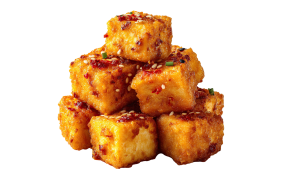
Super-firm tofu contains the highest amount of protein and has very little excess liquid, so there is no need for extra draining or pressing before cooking. Its dense texture makes it excellent option for frying, baking, air-frying and heavy-duty grilling.
Because extra firm and super-firm have a heartier texture that can resemble meat more closely than softer varieties, I often recommend starting with one of these options when experimenting with tofu. Plus, extra- and super-firm tofu generally provide more protein per serving when compared to silken or soft tofu, making them a satisfying choice for those looking to add more plant-based protein to their eating (see below for links to tips on how to cook tofu).
#2 Lack of time
Another common barrier to plant-based eating is a lack of time. Many people assume that preparing plant-based meals requires extra planning, special ingredients, or more time in the kitchen. I can relate because this was a significant barrier for me when I first wanted to eat more plant based. The unfamiliarity of plant-based foods, combined with the perception that they took longer to prepare, made the transition feel overwhelming at times.
Over time, I started with just one plant-based meal a week, then gradually added more as I became comfortable with new ingredients and recipes. I learned that plant-based eating doesn’t have to be complicated or time-consuming. Convenient options such as canned beans, lentils, frozen vegetables, pre-cooked grains, tofu, and edamame can make it easy to prepare balanced meals in minutes. Starting with simple recipes and keeping a few plant-based staples on hand can help make eating more plants both realistic and sustainable.
Informative and helpful Resources
Looking to learn more about plant-based eating? Feel free to email JNCS’s Registered Dietitian with any questions or comments at nutritioncorner@jncs.org! Plus, here are some of my favorite resources for exploring its benefits for both personal and planet health, as well as finding recipes, meal ideas, and practical tips for adopting a plant-forward way of eating:
- How Does Being Vegan Help the Planet? – Forks Over Knives
- Planet-Based Diets | WWF
- Planet-Based Diets – Science
- How Does What You Eat Affect The Planet Calculator?
- Plant-based Research Updates
Tips for Cooking Tofu/Recipes:
Plant based recipes and nutrition education:
- Sharon Palmer, RDN, Top 6 tips for getting more plant protein in your diet
- Sharon Palmer, RDN-How to Cook Guides
- 5 easy breakfasts (plant based and high protein)
- How to make quinoa taste 10x better
- Crispy Tofu Patties (recipes in comments)
Medical Advice Disclaimer: The information provided on this blog is for informational and educational purposes only. No material provided in this blog, including images and graphics, is intended as a substitute for professional medical advice, diagnosis, or treatment. Always seek the advice of your physician or other qualified healthcare provider before making any dietary changes or starting a new health care regimen. Do not neglect professional advice because of what you may have read in this blog.
References:
1. Landry, M. J., & Ward, C. P. (2024). Health Benefits of a Plant-Based Dietary Pattern and Implementation in Healthcare and Clinical Practice. American journal of lifestyle medicine, 18(5), 657–665. https://doi.org/10.1177/155982762412377
2. Derbyshire E. J. (2017). Flexitarian Diets and Health: A Review of the Evidence-Based Literature. Frontiers in nutrition, 3, 55. https://doi.org/10.3389/fnut.2016.00055
3. How Does What You Eat in USA Affect the Planet? https://planetbaseddiets.panda.org/impacts-action-calculator/usa.
4. “Fight Climate Change with Diet Change.” Earth Day, https://www.earthday.org/actions/fight-climate-change-with-diet-change/.
5.“Vegan Complete Proteins: 13 Plant-Based Options.” Healthline, 21 Apr. 2020, https://www.healthline.com/nutrition/complete-protein-for-vegans.
6. Salge Blake, Joan. “Examining the Nova Food Classification System and the Healthfulness of Ultra-Processed Foods.” Academy of Nutrition and Dietetics, 3 Jan. 2025, https://www.eatrightpro.org/news-center/practice-trends/examining-the-nova-food-classification-system-and-healthfulness-of-ultra-processed-foods.
7. Culinary Corner: The Joy of Soy – Today’s Dietitian Magazine
8. MasterClass. How to Drain Tofu: 4 Methods for Draining Tofu. 30 Nov. 2021, https://www.masterclass.com/articles/how-to-drain-tofu#4ReIpUX9bfGL65sdbNvl7j.