Sometimes we all need a little pick-me-up in between meals to keep our energy going throughout the day. Healthy snacking can be an important part of a balanced eating pattern, providing nutrients and sustained energy to help you stay focused, satisfied and productive.
Healthy snacking offers numerous benefits. A few are:
- improved energy levels
- helps fill nutrient gaps
- can prevent overeating during main meals which supports weight management
Planning and preparing nutritious healthy snacks in advance is a simple way to save time and money throughout the workweek. Investing a little time upfront can help support healthier choices on even the busiest days.
What to include
What should you include when building a snack? Well, similarly to meals, aim to include all three macronutrients: carbohydrates, protein and healthy fat. Each plays an important role.
Carbohydrates, particularly complex carbohydrates such as whole grains, beans, fruits, and vegetables, provide your body’s preferred source of energy and important fiber. Fiber helps slow digestion, supporting more stable blood sugar levels, sustained energy and longer-lasting satiety. Add a source of protein and healthy fats help promote fullness and keep hunger at bay.
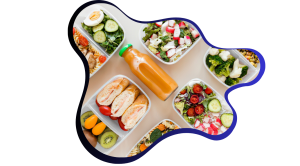
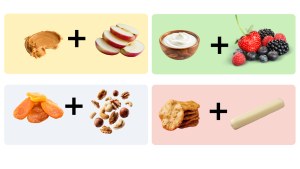 Healthy snack ideas:
- medium apple (sliced) + 1-2 tablespoons of peanut butter
- whole grain crackers+ string cheese
- Greek yogurt + berries
- Whole grain toast + ¼ cup mashed avocado
- cottage cheese + fruit like pineapple or berries
- hardboiled egg + whole grain crackers
- ½ cup dried apricots (or any preferred dried fruit) + 1 oz (palmful) of nuts or seeds
Healthy Snacking Tips from an RDN:
Planning Ahead
While vending machines and convenience stores can be helpful in a pinch, they may not always offer options that support your nutrition goals, whether that’s eating more fiber, including more protein or choosing foods that keep you satisfied between meals. Taking a few minutes to prepare a nutrient-rich snack ahead of time can make all the difference and takes the guesswork out of what to eat when hunger hits.
Make Snacks Satisfying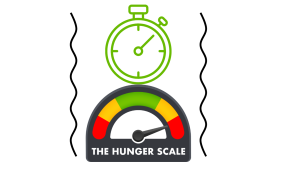
Many people think snacks should be as small or low-calorie as possible, but a satisfying snack is often a more nourishing snack. If you find yourself hungry again shortly after snacking, it may be a sign that your snack needs more staying power—not necessarily less food. Aim to pair a fiber-rich carbohydrate with a source of protein and healthy fat. This combination can help provide steady longer-lasting energy, promote satiety and keep you feeling comfortable between meals.
Hunger Cues
Although everyone has different nutrition needs, snacking in between meals is common. A helpful habit is to check in with yourself before eating and ask, “Am I physically hungry, or am I responding to boredom, stress, fatigue, or another emotion?” If you are not physically hungry, try another activity that supports what your body or mind may need, such as a short walk, stretching, hydration, fresh air, or a few minutes of relaxation. If hunger is the reason, enjoy a balanced snack to help fuel your day and keep you satisfied between meals.
Happy snacking!!
Feel free to share your own healthy snack ideas in the comments below.
Medical Advice Disclaimer: The information provided on this blog is for informational and educational purposes only. No material provided in this blog, including images and graphics, is intended as a substitute for professional medical advice, diagnosis, or treatment. Always seek the advice of your physician or other qualified healthcare provider before making any dietary changes or starting a new health care regimen. Do not neglect professional advice because of what you may have read in this blog.
Access this Article in ASL:
Other resources to dive deeper into healthy snacking:
- Healthy Snacking – American Heart Association
- Snack Smarter – Harvard Health
- Smart snacking for road trips – Academy Nutrition and Dietetics