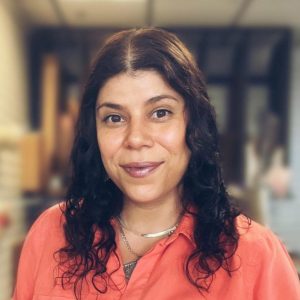
“We want to focus on what people can do, not on what they can’t. Everyone has strengths, goals, and something meaningful to contribute.” Priscilla Garcia, Inclusive Services Specialist, Jay Nolan Community Services
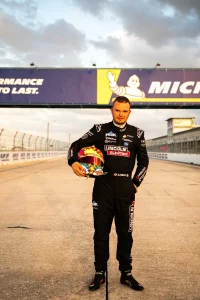
For many families, an autism diagnosis marks the beginning of a journey filled with questions. Parents often find themselves wondering what the future will look like for their child, whether they will find independence, meaningful relationships, fulfilling careers, and a strong sense of belonging in their communities. While every person’s path is unique, stories like that of Austin Riley offer a powerful reminder that possibilities are often far greater than initial expectations.
Today, Austin is recognized as one of the most accomplished professional race car drives with autism. A multi-time champion who has competed on major racing circuits throughout North America, he has built a reputation not only for his success on the track but also for his efforts to raise awareness about autism and challenge assumptions about what people on the spectrum can achieve. His motto, “Just because you have autism doesn’t mean you can’t do great things,” has resonated with audiences around the world.
Yet Austin’s story is about much more than racing. It is a story about discovering strengths, supporting personal interests, embracing opportunities, and recognizing potential where others may see limitations. According to Priscilla Garcia, Inclusive Services Specialist at Jay Nolan Community Services, these same principles are often at the heart of helping individuals build meaningful and self-directed lives.
Discovering Strengths Through Opportunity
Long before Austin became a champion driver, his family was searching for an activity that would capture his interest and provide a sense of purpose. Like many young people, he explored various sports and recreational activities without finding the right fit. Over time, the repeated disappointments led him to doubt his own abilities and question whether he would ever be successful at anything.
Everything changed when his father, Jason Riley, persuaded him to try kart racing.
What began as a single lap around a track quickly revealed a passion that would shape the course of Austin’s life. Behind the wheel, he found confidence, focus, and a sense of belonging. The interest that started with a childhood fascination with cars grew into a professional career that would eventually place him among the top drivers in his field.
For Garcia, Austin’s experience underscores the importance of exploration and exposure. Families often feel pressure to identify the perfect program, activity, or support immediately following a diagnosis. In reality, discovering a person’s strengths frequently requires patience, curiosity, and a willingness to try new things.
The opportunities that ultimately shape a person’s future are not always obvious at the outset. Sometimes they emerge only after multiple attempts, unexpected experiences, and continued encouragement from those who believe in their potential.

Looking Beyond the Diagnosis
One of the themes that consistently emerges in conversations about inclusion is the need to see individuals beyond labels. Garcia believes that effective support begins by understanding who a person is, what they enjoy, and what they hope to achieve, rather than focusing solely on challenges or diagnoses.
That perspective is reflected throughout Austin’s journey. While autism is an important part of his story, it is not the whole story. His achievements stem from dedication, practice, determination, and talent. The autism diagnosis did not define what was possible for him. Instead, it became one part of a larger narrative centered on growth and accomplishment.
Today, Austin speaks to students, educators, families, and community members around the world through Racing With Autism, an organization dedicated to increasing understanding and awareness. By sharing both his successes and challenges, he helps others see autism through a more complete lens, one that acknowledges differences while also recognizing strengths and potential.
His story challenges a common tendency to focus first on limitations. Rather than asking what someone may not be able to do, it invites a different question: What are they passionate about, and how can they be supported in pursuing it?
The Role of Family and Community
Success stories are often associated with individual achievement, but they rarely happen in isolation.
Austin’s career was shaped not only by his own determination but also by the support of the people around him. His father’s persistence in helping him discover opportunities, the encouragement of mentors, and the community that rallied around his ambitions all played important roles in his development.
Garcia frequently describes this process as a partnership. Families, educators, support professionals, peers, and community organizations each contribute to creating an environment where people can develop confidence and pursue their goals.
In practice, inclusion is not simply about providing services. It is about creating opportunities for participation, fostering meaningful relationships, and ensuring that individuals have access to experiences that allow them to explore their interests and build essential life skills.
Whether the goal is employment, higher education, community involvement, independent living, or competitive sports, growth often begins when people are given the chance to participate fully in the world around them.
Building Independence One Step at a Time
Another lesson reflected in Austin’s story is the importance of developing independence through everyday experiences.
Garcia encourages families to involve children in meaningful responsibilities from an early age. Whether helping at home, making decisions about personal interests, participating in community activities, or learning to advocate for themselves, these experiences build confidence over time.
Central to that process is self-advocacy. The ability to communicate needs, preferences, and goals is essential for long-term independence and personal growth. While family support remains important, helping individuals develop their own voice prepares them to navigate opportunities and challenges throughout adulthood.
The same qualities that support success on a racetrack such as decision-making, persistence, accountability, and confidence are equally valuable in everyday life.
For many individuals, developing those skills begins with being trusted to take an active role in their own journey.
Redefining What Success Looks Like
Stories about autism often focus on obstacles. While challenges are real, focusing exclusively on difficulties can obscure an equally important reality: people thrive when their strengths are recognized and nurtured.
Austin Riley’s accomplishments demonstrate what can happen when passion is matched with opportunity and support. His success on the track has brought visibility to autism, but perhaps his greatest contribution has been expanding what people imagine is possible.
For families beginning their own journeys, that may be the most valuable lesson of all.
The future cannot always be predicted. Interests evolve, opportunities emerge, and abilities continue to develop over time. A diagnosis may provide important information, but it does not determine a person’s potential.
More Than a Racing Story
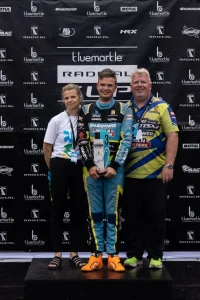
At its heart, Austin Riley’s story is not simply a story about motorsports. It is a story about possibility. It is about a family that continued searching for opportunities when the path forward was unclear. It is about a young man who discovered a passion that changed the course of his life. And it is about a broader message that resonates far beyond the racing community: every individual deserves the opportunity to be seen for their strengths rather than defined by their limitations.
For Garcia, that philosophy reflects the core of person-centered support. Success is not about fitting a predetermined outcome. It is about helping people build lives that reflect their own interests, goals, and aspirations. Sometimes those aspirations lead to classrooms, workplaces, or communities. Sometimes they lead to a championship racetrack.
In every case, they begin with the same belief: when passion is given the opportunity to grow, possibility follows.